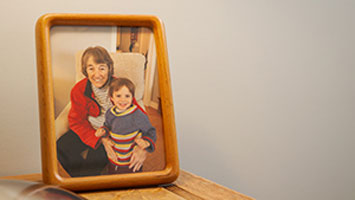
Living with the knowledge that your death is coming can be an intense experience. Some moments may feel very difficult, while others may feel like meaningful opportunities for personal reflection.
What does it mean to have a “good death?”
Having a “good death” means something different to everyone. This is shaped by cultural, religious, and family values, as well as personal experiences.
For some, it means feeling at peace and finding acceptance. For others, it may be about comfort and connection – with nature, people, or pets. Some people find that spiritual or religious care becomes more important in their final days.
Reflecting on your life
As end-of-life approaches, many people find themselves reflecting on their life story. This kind of reflection – sometimes called a life review – can support a sense of wellbeing and bring feelings of acceptance and peace.
It may also bring up unresolved feelings in important relationships. Conflict, regret, or guilt are common. Taking time to acknowledge these feelings, in whatever way feels right to you, can be part of finding peace. For more on the mixed feelings that most people experience as death approaches, see Common Feelings.
If you’re waiting for MAID
Medical assistance in dying (MAID) is a unique end-of-life experience because you know the date in advance. Depending on how you feel, this can be an opportunity to be intentional about how you spend your time in the weeks and days leading up to your death.
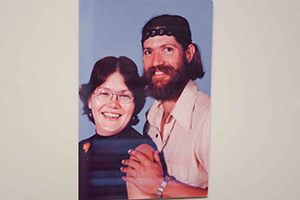
Planning your goodbyes
You might find yourself thinking about who you wish to spend time with, and who you’d like to say goodbye to.
Saying goodbye might look like holding hands, revisiting a shared memory, or expressing what someone has meant to you. Some people write letters, record videos, or document parts of their life story. Others prefer in-person visits, phone or video calls, or a larger gathering.
A checklist for saying goodbye
If you’re feeling stuck or unsure about where to begin, that’s completely understandable. These simple steps can help you move forward:
make a list of people you would like to connect with
arrange visits, make calls, or send messages to the people on your list
have conversations that feel important, ask questions and raise unresolved issues
say goodbye in advance to people who won’t be present on the day of your death
Planning your death
If you have chosen a MAID date and you have time and energy to plan in advance, you may wish to personalize your MAID experience. You might consider:
- the timing of your death in relation to meaningful events or dates
- the location, setting, and atmosphere
- who will be present, including whether pets will be included
- spiritual or cultural practices, readings, or rituals
- music or other sounds that bring comfort
- personal details such as clothing, surroundings, or keepsakes
- a final meal or drink
- support from a death doula, counsellor, or spiritual care provider
Attending to practical matters
Taking care of basic tasks in advance of your final weeks and days can reduce stress for you and for those close to you. You can plan ahead for things like:
- death notifications or an obituary
- your financial planning documents, including a will
- your digital legacy plan, including instructions for social media
- your end-of-life ceremony preferences
Attending to spiritual matters
If you are expecting to die soon, your sense of faith or your understanding of life may be shifting. You may see life from a new perspective, question long-held beliefs, or experience doubts. You might struggle with big questions like:
- Why is this happening?
- Have I been a good person?
- Has my life been worthwhile?
Some people find meaning in prayer, meditation, or time in nature. Others turn to spiritual or faith leaders, revisit traditions, or reflect on what has given them a sense of purpose. You can explore what feels supportive at your own pace.
Creating a legacy
Some people find meaning in creating something that will remain after they’re gone. A legacy can take many forms and can be a way to express your perspective at the end of life.
A legacy project might include:
- planning an end-of-life celebration
- writing your own obituary
- creating a piece of art or music to leave behind
- recording a video of yourself telling a story or expressing your feelings
Find more ideas for creating your legacy.
Planning for the MAID procedure
Knowing what to expect from a medically assisted death can help reduce uncertainty. It can also help you plan ways to stay comfortable in the final moments. Small, supportive elements such as touch, music, or the presence of certain people can go a long way to giving you a feeling of agency.
For a detailed look at the MAID procedure, see What to Expect at a MAID Death.
Learning from others’ experiences
Hearing from others who have gone through similar experiences can offer perspective, reassurance, or simply a sense of connection. If it feels helpful, you can explore these stories as a way to reflect on what a meaningful death might look like for you.