Based on your responses, this page includes links to information and resources that may be the most helpful to you right now.
This page is saved in your browser, not this website. You can save it as a bookmark and return to it later.
You’re exploring what matters most for your own care and future decisions. This is an important first step in feeling more informed and in control as you consider what feels right for you.
You’re supporting someone you care about through important decisions. Taking the time to understand their options is a meaningful way to show care and help you feel more prepared.
You’re supporting others through end-of-life decisions in a professional role. This information can help you guide conversations and provide informed, compassionate support.
No matter how you’ve come to this information, you’re taking an important step toward understanding end-of-life options. You can explore at your own pace and focus on what feels most relevant to you.
To be eligible for medical assistance in dying (MAID), a person must meet specific criteria:
Medical assistance in dying (MAID) follows strict legal criteria and safeguards, which may vary based on your situation.
To be eligible for medical assistance in dying (MAID), you must undergo two independent assessments by a nurse practitioner or physician.
During the assessment, you can expect questions about your medical history, your experience of suffering, and your understanding of available care options. Assessors may ask additional questions as well.
Assessments are typically arranged through a health care provider, a provincial or territorial care coordination team, or an in-hospital MAID program.
During a medical assistance in dying (MAID) provision, a health care provider administers medications designed to relax you, induce a coma-like sleep, then stop your breathing.
Before this, the provider will review the plan with you and confirm your consent. If you no longer have the capacity to provide consent, MAID cannot proceed unless specific conditions are met.
Preparing for MAID is often an emotionally intense time. You may find it helpful to consider the kind of support you want, talk with others about your wishes, and ensure your supporters know what to expect.
A request for medical assistance in dying (MAID) must be signed in the presence of one Independent Witness. This can be someone you know, such as a neighbour, colleague or friend.
An Independent Witness must:
Some regions permit virtual witnessing, where the witness observes you signing your request and confirms your identity.
Where you receive care can shape your comfort, support, and overall experience. Considering your options early can help you make informed decisions as your needs change.
Depending on your needs and preferences, common options include:
It can also help to understand what services are available in your community, and what is covered or may involve out-of-pocket costs.
End-of-life care can include a range of medical decisions, often made as your condition changes and in consultation with your healthcare team.
Advance Care Planning helps you think about and share your wishes for future care if you are unable to make decisions later.
Taking care of practical details can help ensure your wishes are respected and make things easier for those supporting you.
Talking about end-of-life wishes can involve practical, emotional, and personal topics. These conversations can be difficult and may need to happen more than once.
Request for medical assistance in dying form
Alberta Health Services MAID team
Email: MAID.careteam@ahs.ca
Website: Patients and Family Members - Medical Assistance in Dying
Phone: 811 (AHS Health Link)
Fraser Health
Email: mccc@fraserhealth.ca
Phone: 604-587-7878
Fraser Health website: Medical assistance in dying
Interior Health
Email: MAiD@interiorhealth.ca
250-870-4669 (local Kelowna number)
1-877-442-2001 (toll-free)
Interior Health website: Medical assistance in dying
Island Health (Vancouver Island Health Authority)
Email: maid@viha.ca
250-727-4382 (local Victoria number)
1-877-370-8699 (toll-free)
Island Health website: Medical assistance in dying
Northern Health
Email: maid@northernhealth.ca
250-645-6417 (local Prince George number)
Northern Health Website: Medical assistance in dying
Vancouver Coastal Health
Email: assisteddying@vch.ca
1-844-550-5556 (toll-free)
Vancouver Coastal Health website: Medical assistance in dying
Manitoba Provincial Medical Assistance in Dying Clinical Team
204-926-1380 (local Winnipeg number)
Toll free: 1-844-891-1825
Shared Health Manitoba website: Medical assistance in dying
Horizon Health Network
Request for medical assistance in dying form
email: MAID@HorizonNB.ca
1-833-883-6243 (toll-free)
Horizon Health Network website: Medical assistance in dying
Vitalité Health Network
Request for medical assistance in dying form
Email: info@vitalitenb.ca
506-544-2133 (local number)
Toll free: 1-888-472-2220 (toll-free)
Vitalité Health Network website: Medical assistance in dying
Medical assistance in dying requests in Newfoundland and Labrador
Government of Newfoundland and Labrador website: Forms and Applications
Regional Medical Director for Eastern
Dr. Aaron McKim
Email: aaron.mckim@easternhealth.ca
Phone: 709-729-3103 (local)
Labrador-Grenfell Health
Email: maid@lghealth.ca
Phone: 709-897-2350
Western Health
Email: dennisrashleigh@westernhealth.nl.ca
Phone: 709-637-5000 ext. 5168
Central Health
Email: maid@centralhealth.nl.ca
Phone: 709-533-2374 or 709-292-2151
Eastern Health
Phone: 709-777-2250
Toll free: 1-833-777-2250
Request for medical assistance in dying form
Nova Scotia Health Authority
Email: maid@nshealth.ca
Phone: 902-491-5892 (local Halifax number)
Website: Medical assistance in dying
Request for medical assistance in dying form
NWT Central Coordinating Services
Phone: 855-846-9601
Toll free: 867-767-9050 x 49008
Available Monday to Friday from 8:30 a.m. to 5:00 p.m. Mountain Time
Northwest Territories Health and Social Services website: Medical assistance in dying
Nunavut Department of Health
Email: Maid.Info@gov.nu.ca
Phone: 867-975-5700 (general inquiries)
Request for medical assistance in dying form
Phone: 1-866-286-4023 (toll-free)
TTY: 1-844-953-3350
Information services available 24 hours a day, 7 days a week
Referral services available Monday to Friday from 9 a.m. to 5 p.m.
Services in English and French, but service in other languages can be arranged.
Government of Ontario website: Medical assistance in dying and end‑of‑life decisions
Request for medical assistance in dying form
Provincial Specialty and Virtual Care Clinic
902-288-1095
Health PEI website: Medical assistance in dying
Request for medical assistance in dying form
Quebec City region: 418-644-4545
Montreal region: 514-644-4545
Rest of Quebec: 877-644-4545 (toll-free)
Government of Quebec website: Family and support for individuals
Association Quebecoise pour le Droit de Mourir dans la Dignité (AQDMD)
Quebec Association for the Right to Die with Dignity
Email: info@aqdmd.org
514-341-4017
Saskatchewan Health Authority
Toll free: 1-833-473-6243
Website: Accessing MAID in Saskatchewan
The provincial medical assistance in dying program operates Monday-Friday 8:00 – 4:30 p.m. We are closed on weekends and statutory holidays.
Request for medical assistance in dying form
Palliative Care Resource Team
Phone: 867-667-9380
Email: palliativecare@yukon.ca
Yukon Health and Social Services website: Find information about medical assistance in dying
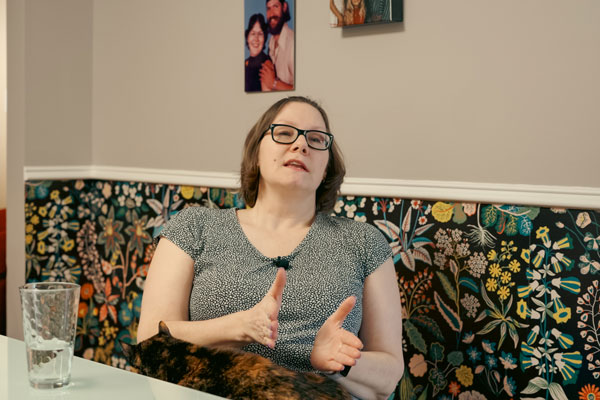
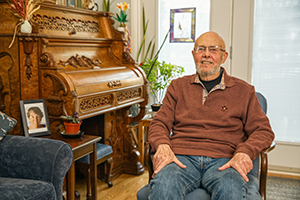
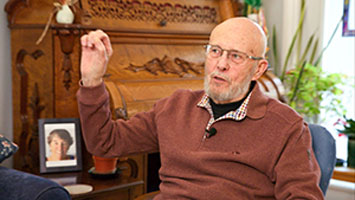
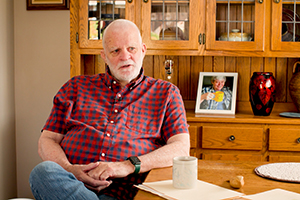
Explore real stories that bring these choices and experiences to life.